Plaud Note Pro vs Comulytic Note Pro vs Mobvoi TicNote: Card AI Recorders Compared
- type
- Comparison
- published
- reading
- 3 min
- by
- BVR Editorial Team
- method
- how we evaluate ↗
Same shape, same idea — stick it to your phone, record calls and meetings, get AI notes. The differences are in microphones, storage, what's free, and how much each company documents about security.
links to retailers may earn us a commission. it never changes a verdict. disclosure →
Plaud for recording quality and security. Comulytic for free transcription. TicNote for AI extras.
Plaud Note Pro has the most mics, longest pickup range, automatic call switching and the most documented compliance. Comulytic's free plan has no minute cap. TicNote packs the most AI features — mind maps, Deep Research, a podcast generator.
- 01
 best overall
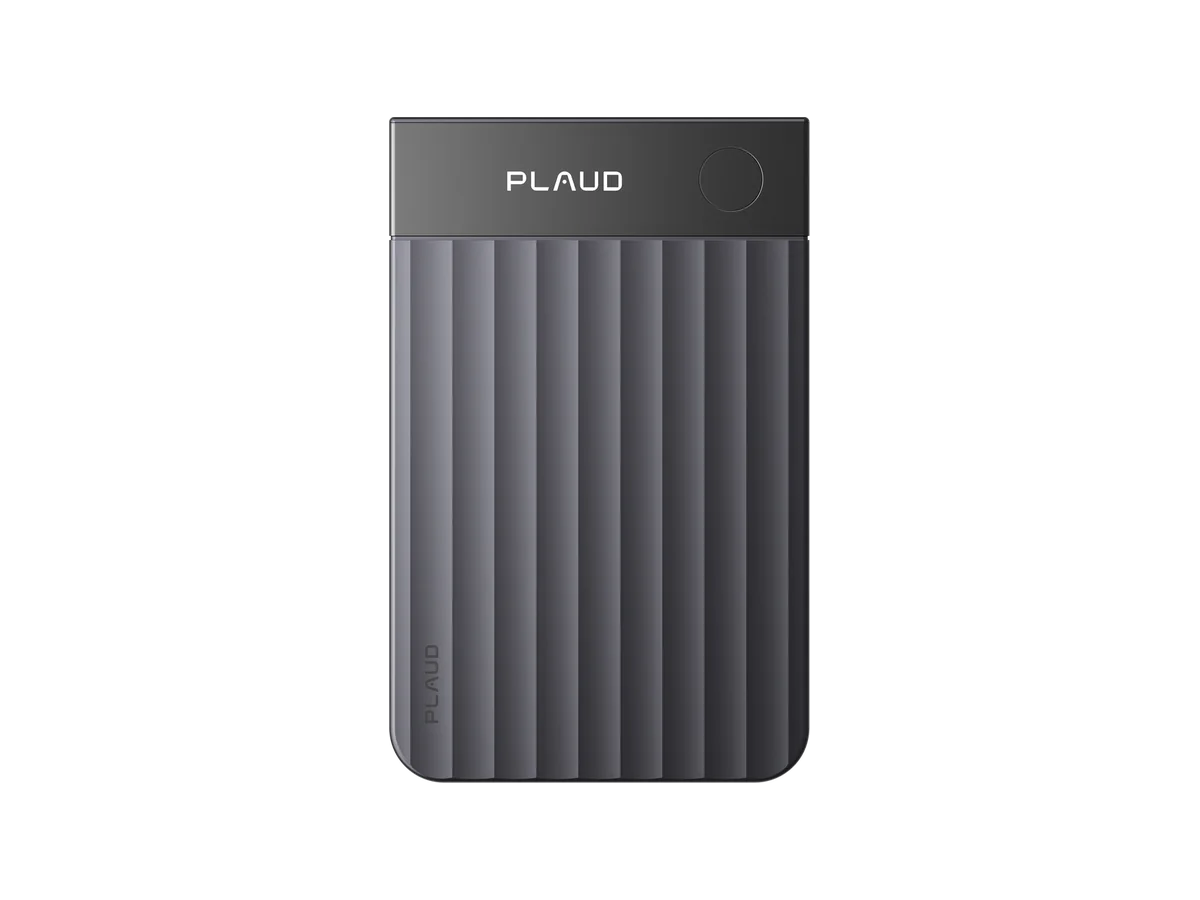
Plaud Note Pro
Four mics, 16.4 ft pickup, automatic call switching, 64 GB and up to 50 h.
$189check price - 02
 best free plan
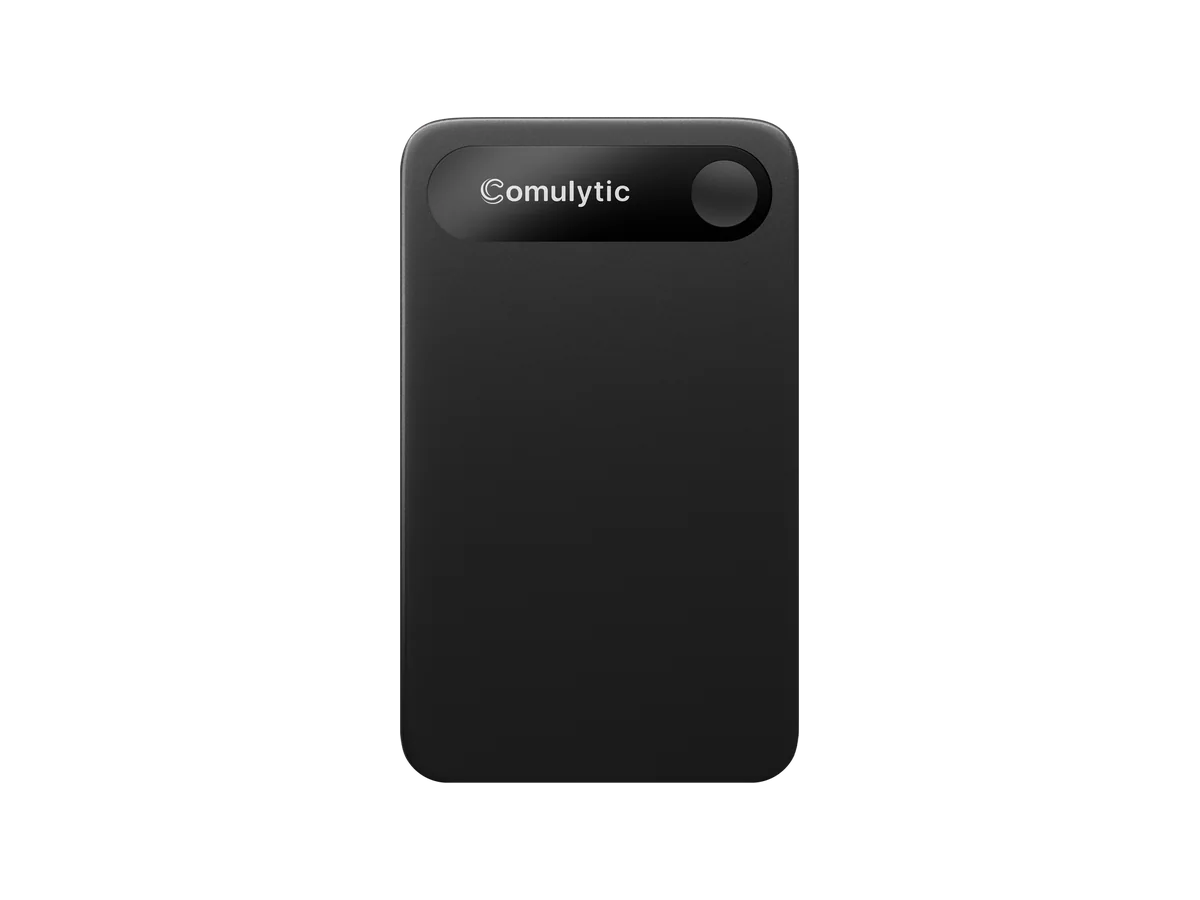
Comulytic Note Pro
No transcription-minute cap on the free Starter plan, and 45 h of battery.
$158.99check price - 03
 most ai features
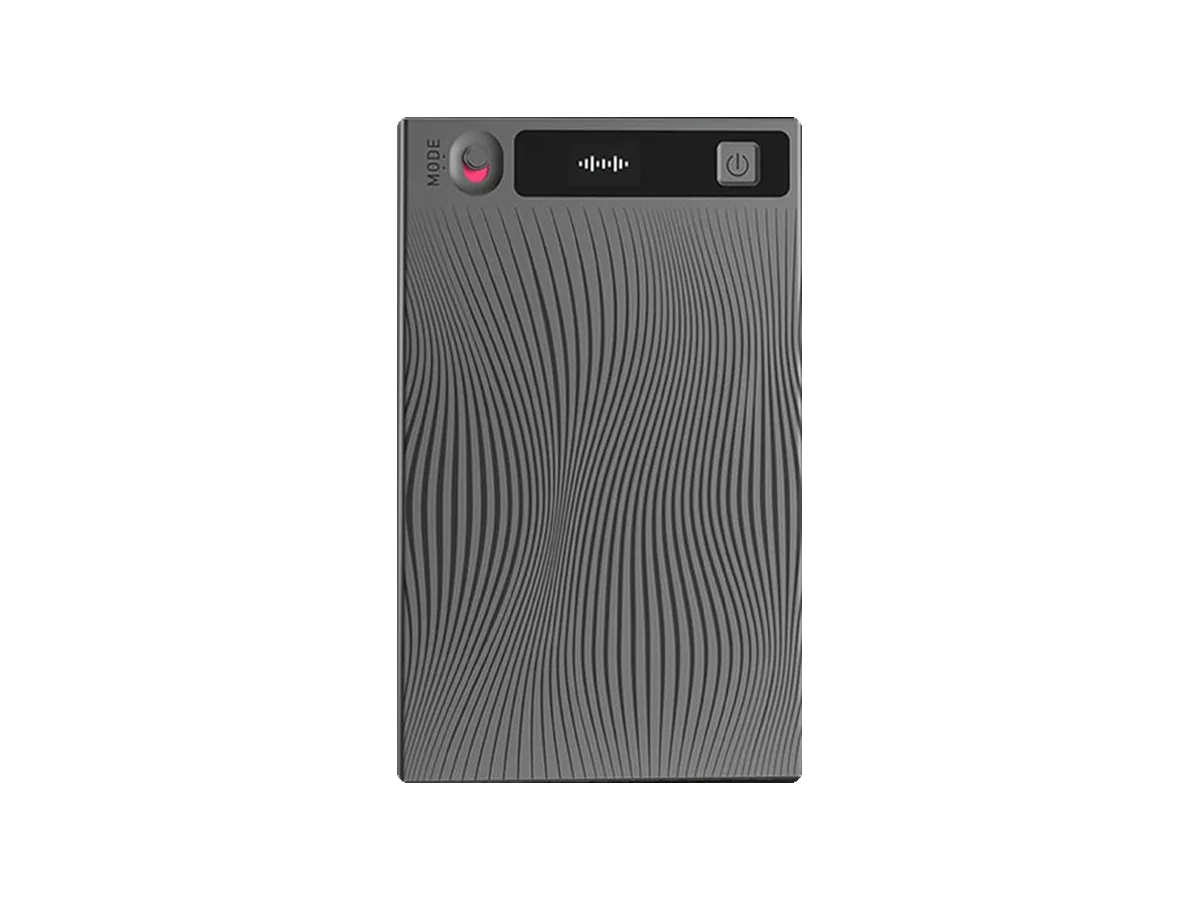
Mobvoi TicNote
600 free minutes with the device, plus an AI agent, mind maps and Deep Research.
$179.99check price
contents (7)
Specs side by side
| spec | plaudPlaud Note Pro | comulyticComulytic Note Pro | mobvoiMobvoi TicNote |
|---|---|---|---|
| list price | $189 | $158.99 ($109.69 sale) | $179.99 ($128.99 sale) |
| weight | 1.06 oz | ▲27.6 g (0.97 oz) | 29 g (1.0 oz) |
| continuous recording | ▲30 h (Enhance) / 50 h (Endurance) | 45 h | ~25 h |
| standby | 60 days | ▲~107 days | 20+ days |
| storage | ▲64 GB | 16 GB | 64 GB |
| microphones | ▲4 MEMS + 1 vibration sensor · up to 16.4 ft | 2 MEMS + 1 VPU · 5 m | 3 MEMS · 10 m |
| phone-call recording | ▲Yes — switches automatically | Yes (one of 5 modes) | Yes — switch + vibration sensor |
| languages | 112+ | 113 | 100+ (pages vary) |
| free tier | 300 min / month | ▲Unlimited transcription + basic summaries | 600 min/mo with the device |
| paid plan from | $8.33/mo (Pro, billed yearly) | $10/mo (Premium, billed yearly) | $119/yr (Pro, 1,500 min/mo) |
| security & compliance | ▲SOC 2, HIPAA, GDPR, ISO 27001/27701 (per Plaud) | SOC 2, GDPR, HIPAA, CCPA (per Comu) | No AI training on user data; no certifications listed |
Recording: mics, range and calls
Plaud Note Pro leads with four MEMS mics plus a vibration sensor, rated to 16.4 feet (5 m), and switches between call and meeting modes automatically. TicNote has three MEMS mics and a stated 10 m pickup range, with a slide switch for call mode. Comulytic lists two MEMS mics plus a VPU with a 5 m range (one line on its page also mentions “6-mic voice capture”, which conflicts).
Battery and storage
Comulytic claims the longest standby (about 107 days) and 45 hours of recording. Plaud offers 30 hours in Enhance mode or up to 50 in Endurance mode. TicNote is rated at about 25 hours. On storage, Plaud and TicNote have 64 GB; Comulytic’s current spec sheet lists 16 GB.
What’s free
- Comulytic: no minute cap on the free Starter plan, with basic summaries; translation and in-depth analysis are limited.
- TicNote: 600 minutes a month when you own the device.
- Plaud: 300 minutes a month on Starter; Pro is $8.33/month billed yearly for 1,200 minutes.
AI features
TicNote goes furthest on extras — its “Shadow” agent, mind maps, Deep Research, a podcast generator and project wikis. Comulytic offers in-depth analysis, automatic client profiles and agent workflows. Plaud has the largest template library (10,000+), its agent for emails, reports and slides, and integrations with Google Calendar, Slack, Notion and Linear.
- Most mics, automatic call switching
- 64 GB and up to 50 h
- Most documented compliance
- 300 free minutes/month
- Highest regular price of the three ($189)
- No minute cap on free plan
- 45 h recording, ~107-day standby
- Lightest (27.6 g)
- 16 GB storage
- Mic specs inconsistent on its own page
- Advanced AI features are credit-metered
- 600 free minutes with device
- Mind maps, Deep Research, AI agent
- 64 GB storage
- Shortest battery (~25 h)
- No security certifications listed
- Language count varies across its pages
Our verdict
For most professionals — especially anyone recording sensitive client calls — Plaud Note Pro is the safest pick: best capture hardware and the clearest security story. If you transcribe a lot and want to avoid subscriptions, Comulytic Note Pro’s uncapped free plan is hard to beat. If you love AI tooling on top of your notes, TicNote has the most to play with. Also considering a lighter card? See Notta Memo vs Plaud Note.
Questions
q.01Which card AI recorder has free unlimited transcription?
Comulytic's Starter plan has no transcription-minute cap, with basic summaries and limits on translation and in-depth analysis. Plaud includes 300 free minutes a month; TicNote includes 600 a month when you own the device.
q.02Which has the most storage?
Plaud Note Pro and TicNote both have 64 GB. Comulytic Note Pro's current spec sheet lists 16 GB.
q.03Do all three record phone calls?
Yes. Plaud Note Pro switches to call mode automatically; TicNote uses a slide switch and a vibration sensor; Comulytic lists call recording as one of five modes.
q.04Which is most secure?
Plaud lists SOC 2, HIPAA, GDPR, ISO 27001 and ISO 27701. Comulytic claims SOC 2, GDPR, HIPAA and CCPA. TicNote says it doesn't train AI on user data but lists no certifications.
- First published. Comulytic and TicNote were on sale at the time of checking; regular prices shown.
sources
- plaud.ai/pages/plaud-device-comparison
- plaud.ai/pages/plaud-ai-plan-pricing
- store.comu.com/products/comulytic-note-pro
- ticnote.ai/products/ticnote-ai-voice-recorder
- mobvoi.com/us/pages/mobvoiticnote
- userguide.ticnote.com/subscription-plans
specs and prices above were checked against these pages on 2026-10-29.
BVR Editorial Team. We compare recorders and AI note takers using makers' official spec sheets and pricing pages, cross-checked against independent reviews. Spotted something out of date? Tell us.